The world of mobile apps isn’t just about utility—it’s about creativity, imagination, and self-expression. In 2025, mobile technology continues to empower users to not only consume content but to create it, from digital paintings to DIY projects, music composition, and even game development.
For both developers and everyday users, this shift opens exciting possibilities. Whether you’re a hobbyist, an educator, a parent, or an aspiring digital artist, there are apps out there that help bring your ideas to life.
The Rise of Creative Toolkits in Your Pocket
What once required expensive software and heavy desktop computers can now be done with a few taps on a mobile screen. Creative toolkits are now standard across platforms, giving users access to drawing apps, animation studios, music sequencers, and even 3D modeling tools.
Apps like Procreate Pocket, Adobe Fresco, CapCut, and FL Studio Mobile are pushing the boundaries of what we can make on the go. For developers, this means building apps that are powerful yet intuitive. For users, it means the freedom to be artistic whenever inspiration strikes.
Crafting Culture and Maker Apps
One growing category is craft and maker apps—tools that help users with hands-on projects at home. From embroidery pattern generators to origami step-by-step guides, these apps blur the lines between digital and physical creativity.
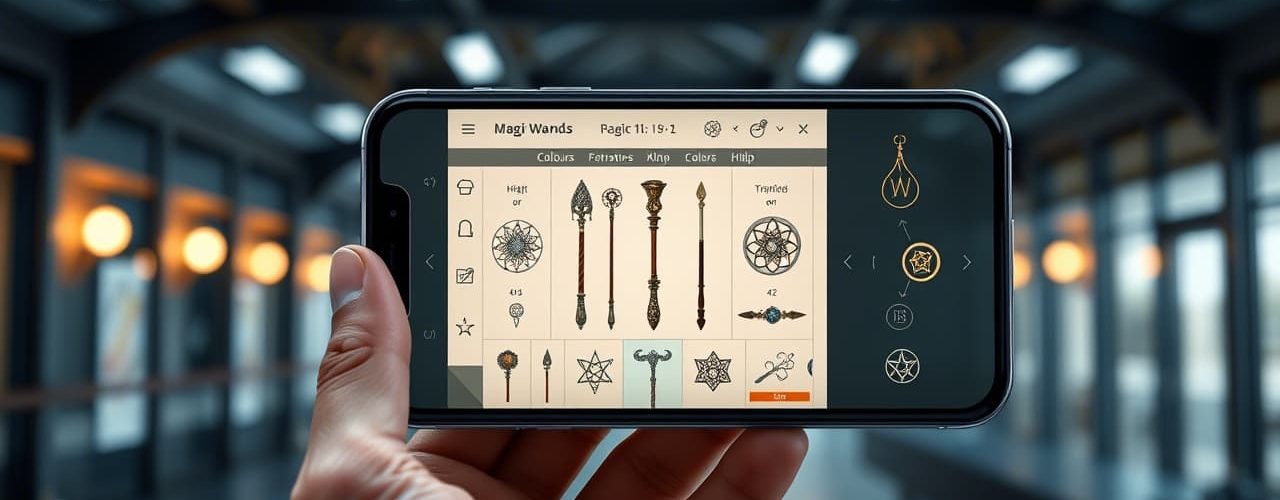
Mobile-driven ideas can lead to creative real-world experiences like enchanting wand-making station. While the project itself is offline, its discovery and popularity are deeply tied to mobile platforms where DIY content thrives. Today, there are even mobile apps that allow users to digitally design their own magic wands—choosing materials, shapes, cores, and engravings—before bringing them to life in the real world. It highlights how apps and digital tools can serve as launchpads for imagination—especially for families, educators, and hobbyists who enjoy blending fantasy with hands-on creativity.
AI in the Creative Process
AI tools are also playing a key role. Apps now offer AI-generated design suggestions, smart coloring tools, real-time lyric generation for songs, and even style-transfer filters for photography. Developers are integrating machine learning in ways that speed up workflows and open new aesthetic possibilities.
Users benefit from these tools whether they’re beginners getting a head start or pros seeking creative shortcuts. But developers should tread carefully—overreliance on automation can dull the human spark. Balancing assistance with freedom is essential.
Educational Creativity for All Ages
Mobile apps are becoming key platforms for creative learning. Educational creativity apps help kids code simple games, design storybooks, or learn musical notation through play. For adults, apps offer courses in digital illustration, fashion sketching, or interior design.
This boom is part of a wider trend: mobile devices as hubs for lifelong learning. Developers can tap into this by building apps that are both skill-building and creatively fulfilling. For users, it’s about turning screen time into growth time.
Voice, AR, and Interactive Expression
Advances in voice recognition, augmented reality, and touch-sensitive interactions are giving rise to new forms of mobile creativity. Users can sculpt with their hands in AR, narrate stories with voice input, or conduct digital orchestras with gesture control.
Imagine overlaying virtual decor onto a real room with a swipe or sketching 3D objects in space using your phone’s camera. These experiences make creativity more playful and immersive—especially for younger audiences.
Monetizing Creativity Through Apps
In 2025, the line between creator and entrepreneur continues to blur. Platforms like Etsy, Ko-fi, and Gumroad have mobile-friendly integrations, allowing users to design, publish, and sell their work all from a smartphone.
Apps now help artists and makers monetize through print-on-demand services, NFT creation (still niche, but evolving), subscription content, and more. Developers who offer tools for publishing, marketing, and payment integration are empowering the next generation of mobile-based creators.
Tips for Developers Building Creative Apps
- Prioritize an intuitive UI/UX—your users are artists, not engineers.
- Offer export features to popular formats (PNG, MP4, SVG, etc.).
- Build community features like sharing, commenting, and collaboration.
- Consider accessibility: colorblind modes, audio cues, scalable interfaces.
- Let the user lead the process—don’t over-automate.
Tips for Users Exploring Creative Apps
- Start simple: choose apps with a beginner mode or guided tutorials.
- Take advantage of cloud storage and syncing between devices.
- Join online groups or challenges to stay motivated.
- Explore cross-category apps (like using a music app to create ambient sound for a video project).
- Don’t aim for perfection—aim for play.
Conclusion: A Future Fueled by Imagination
As mobile devices become more powerful and interactive, the role of creative apps will only grow. Developers have a unique opportunity to provide platforms that nurture imagination, bridge digital and physical experiences, and empower users to make something uniquely their own.
Whether you’re painting with pixels, crafting real-world props inspired by your favorite fantasy series, or composing beats on your commute, mobile creativity in 2025 is all about access, inspiration, and joyful expression. Stay curious, stay inventive—and don’t forget to bookmark the apps (and articles) that spark your next great idea.