
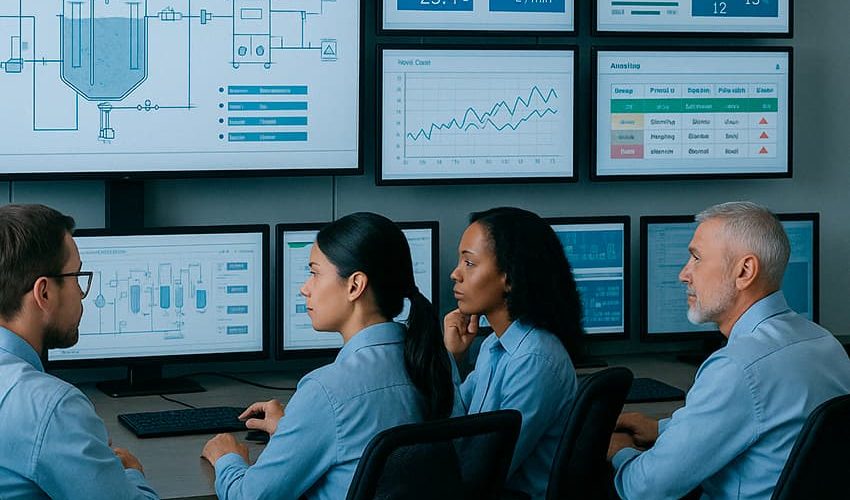
In today’s pharmaceutical landscape, bringing new therapies from concept to clinic demands specialized expertise and scalable manufacturing capabilities. Contract development and manufacturing organizations (CDMOs) play a pivotal role by offering end‑to‑end solutions – from formulation development and analytical testing to aseptic fill‑finish and lyophilization. For biotech and pharmaceutical innovators, partnering with the right CDMO can accelerate timelines, reduce risk, and ensure consistent product quality. This article examines how advanced aseptic manufacturing platforms, robust quality systems, and collaborative development models are redefining efficiency and reliability in modern drug production.
The Role of CDMOs in Drug Development
Contract development and manufacturing organizations serve as extensions of in‑house teams, filling gaps in capacity and technical know‑how. Small biotechs may lack the clean‑room facilities required for sterile parenteral products, while large pharma companies look to CDMOs to handle clinical‑scale batches and commercial volumes without diverting internal resources. By outsourcing critical processes such as vial filling, syringe assembly, and closed‑system operations, sponsors benefit from proven operating procedures, validated equipment, and experienced staff. Early engagement with a CDMO also allows for technology transfer planning and risk‑based project roadmaps that align with regulatory expectations and clinical objectives.
Advancements in Aseptic Manufacturing Processes
Recent investments in modular clean‑room suites and single‑use technologies have transformed aseptic manufacturing. Single‑use tubing, connectors, and assemblies minimize cross‑contamination risks and drastically reduce cleaning and sterilization cycles. Automated filling lines equipped with robotics ensure precise fill volumes and maintain sterility through closed environments. Integration of in‑line sensors supports real‑time monitoring of parameters such as pressure, temperature, and particulate counts – enabling rapid response to deviations. These approaches not only improve batch consistency but also allow for flexible scale‑up from early‑phase clinical trials to multi‑thousand‑unit commercial runs.
Ensuring Quality Assurance and Regulatory Compliance
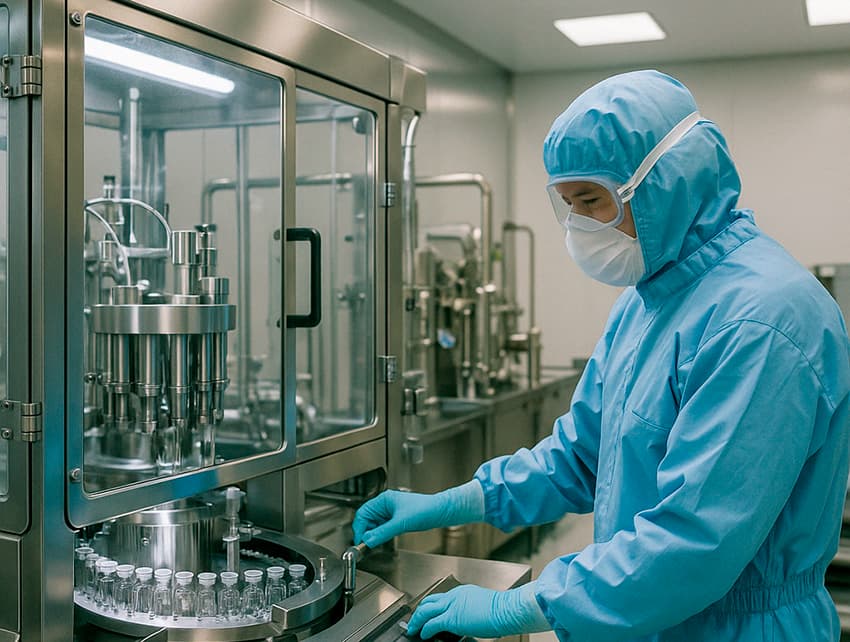
Quality by design underpins every step of modern drug manufacturing. Robust quality management systems enforce document control, change management, and deviation handling in accordance with international regulations such as FDA’s current good manufacturing practices (cGMP) and EU Annex 1. Process validation strategies – including media fills, sterility testing, and container closure integrity assessments – demonstrate that aseptic operations consistently produce safe, contaminant‑free products. Periodic audits, environmental monitoring programs, and supplier qualification efforts further solidify control over every material and component. Through transparent reporting and partnership, CDMOs guide sponsors through regulatory submissions and inspections with confidence.
Building Collaborative Partnerships for Success
True innovation emerges when technical teams from sponsor and CDMO work in lockstep. Early feasibility studies help align on formulation stability, container‑closure systems, and filling methods. Joint design reviews of clean‑room layouts, equipment specifications, and process flows ensure that manufacturing strategies meet both scientific requirements and business goals. Regular cross‑functional meetings – covering project management, quality assurance, engineering, and regulatory affairs – keep timelines on track and facilitate issue resolution. By co‑locating project staff or embedding liaisons on site, sponsors gain real‑time visibility into production status, while CDMO experts contribute insights on process optimization and cost efficiencies.
Embracing Future Trends in Biomanufacturing
The next wave of drug development will feature personalized medicines, cell and gene therapies, and combination products – all of which pose unique manufacturing challenges. CDMOs are adapting by developing small‑batch aseptic platforms, closed‑system bioprocessing units, and integrated analytics capable of handling delicate biologics. Continuous manufacturing techniques promise smoother scale‑up and reduced footprint compared to batch processes. In parallel, digital twins and advanced data analytics will enable predictive maintenance, faster process qualification, and enhanced supply chain visibility. Through strategic investments and pilot projects, leading CDMOs position themselves to support the evolving needs of precision medicine.
Conclusion
By leveraging specialized aseptic capabilities, rigorous quality frameworks, and collaborative development models, contract development and manufacturing organizations deliver the agility and reliability that modern drug development demands. From early‑phase clinical supplies to commercial launch, these partnerships optimize timelines, reduce operational risk, and uphold the highest standards of patient safety. As the industry moves toward personalized and advanced therapies, CDMOs that embrace single‑use technologies, continuous processing, and data‑driven insights will be essential allies in bringing tomorrow’s medicines to life.