
The expansion of mobile technology has reshaped financial operations in several ways. Trading forex, in particular, has shifted from desktop terminals to applications that offer full market access on handheld devices. This transition supports faster analysis, quicker execution, and broader participation in global currency markets.
Modern mobile platforms provide features once limited to institutional systems. Traders now execute orders, track news, manage risk, and perform technical analysis from smartphones and tablets. These changes improve efficiency by allowing users to respond to market conditions without delays related to location or hardware access.
Key Developments in Mobile Platforms
Several hardware and software improvements have supported this evolution. Each component plays a role in the improved function of trading apps.
- Increased Processing Power – Multi-core processors in smartphones reduce lag and enable real-time chart rendering.
- Advanced Mobile Operating Systems – Platforms offer secure, responsive environments for trading software.
- Network Improvements – Transition from 3G to 4G and now 5G reduces latency in order transmission.
- Battery Efficiency – Extended uptime allows traders to monitor positions for longer periods.
These advancements improve reliability, which is essential when working with fluctuating data and market-sensitive tasks.
Functional Benefits for Forex Traders
Trading forex requires timely decisions. Mobile platforms improve responsiveness in several areas:
- Real-time Alerts: Traders receive price notifications instantly.
- On-the-Go Execution: Orders are placed without needing a desktop terminal.
- Integrated Tools: Platforms include indicators, oscillators, and chart patterns.
- News Access: Apps display updates tied to economic events and geopolitical shifts.
The ability to perform multiple tasks on a single interface reduces switching time between tools.
Synchronization Across Devices
Many mobile trading systems now sync across devices. A trader can open a position on a tablet and later close it using a smartphone. Cloud-based infrastructure supports this synchronization. It improves user continuity and reduces the risk of error due to inconsistent data views.
Features include:
- Unified watchlists
- Shared notifications
- Cross-platform chart settings
This structure ensures that a trade initiated on one device behaves the same across all linked systems.
Mobile App Security and Compliance
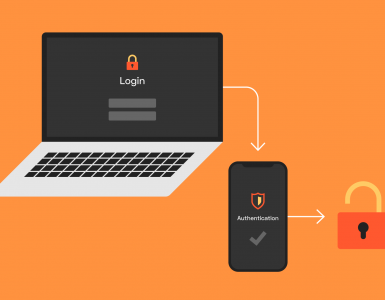
Mobile platforms manage sensitive user data and financial transactions. Efficient trading requires secure environments. Improvements include:
- Biometric Authentication
- Two-Factor Verification
- Encryption of Stored and Transmitted Data
Regulatory requirements also impact mobile software design. For example, systems must log actions to meet audit obligations. Traders handling significant volume rely on this to maintain compliance in all sessions, including those occurring outside traditional jam trading forex.
Limitations and Considerations
While mobile platforms offer mobility and speed, they come with specific limitations. Screen size can restrict full visibility of complex charts. Battery constraints may affect long sessions. Network interruptions can also delay trade execution.
Mitigation strategies include:
- Setting mobile alerts tied to stop-loss or take-profit thresholds
- Monitoring connectivity strength during active sessions
- Reviewing risk before entering markets on public Wi-Fi
Understanding these constraints helps traders plan effectively.
Integration with Analytical Platforms
Mobile systems now support links to external data providers. Tools such as tradingview.com enable mobile access to multi-asset charting. This integration supports technical strategies while offering detailed visuals.
Users compare historical movements, set conditions, and even test strategy logic while mobile. It helps in identifying short-term trends and broader patterns linked to spekulasi behavior in market reactions.
Influence on Market Participation
The increase in mobile functionality broadens access to trading. Participants from varied locations and schedules can contribute liquidity. This growth supports volume in both major and minor currency pairs.
More participation improves pricing accuracy and spreads across the board. It also diversifies the types of strategies in play during key hours. Mobile platforms contribute to these effects by removing the need for full workstations.
Summary Table: Impact Areas
| Mobile Feature | Effect on Trading Forex Efficiency |
| Real-time notifications | Faster response to market changes |
| Multi-device sync | Continuity across platforms |
| Integrated indicators | Quick in-app analysis |
| Secure login systems | Protected transactions and credentials |
Final Observations
The development of mobile platforms continues to improve the speed, flexibility, and scope of trading forex. While limitations exist, traders who understand platform strengths can apply them to real-time decisions. As devices grow more capable and network speeds increase, mobile trading will continue to gain relevance.
Traders benefit most when they align their methods with the tools they use. Mobile systems do not replace strategy or discipline. They serve as extensions of a well-structured plan. By combining accurate timing, efficient interfaces, and reliable data, mobile platforms provide consistent value to those active in financial markets.